
Flight safety is paramount, and it’s the fundamental objective of all flight training programs. At Kingsky Flight Academy, we take safety seriously, and one critical aspect of ensuring safety is understanding and utilizing a pilot emergency checklist. This checklist is an instrument that helps pilots to manage emergencies more effectively.
Understanding the Importance of a Pilot Emergency Checklist
An emergency checklist provides a step-by-step guide to handle abnormal and emergency situations. It’s specifically designed to ensure pilots do not miss any crucial steps in high-stress situations.
- Safety: It ensures the safety of both the pilot and the passengers by addressing all critical scenarios.
- Standardization: It provides a uniform method to handle emergencies, ensuring all pilots react in a similar, standardized manner.
- Efficiency: It enables pilots to quickly respond to emergencies, thereby preventing minor issues from escalating into major ones.
By relying on a well-structured emergency checklist, pilots can remain focused, act decisively, and manage critical situations with confidence when it matters most.
Key Components of a Pilot Emergency Checklist
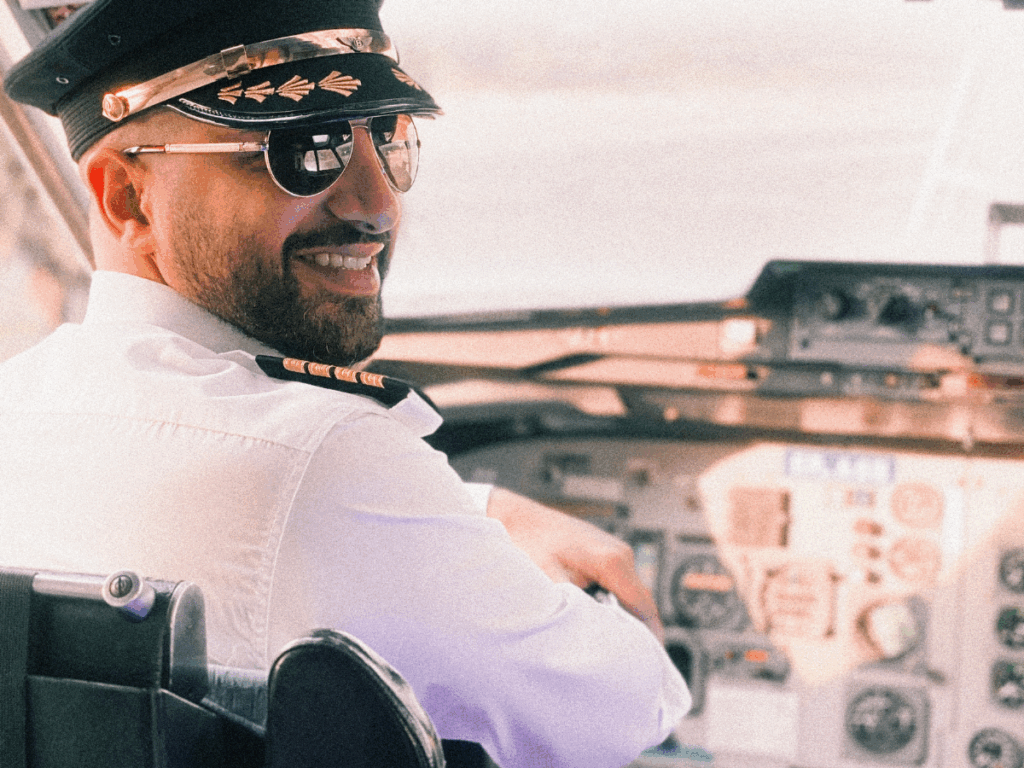
In an emergency, there’s no time to hesitate or second-guess—pilots must rely on a structured, proven system that prioritizes the most critical actions first. A well-designed emergency checklist breaks down complex situations into clear, manageable steps, helping pilots respond quickly, stay organized under pressure, and maintain control of the aircraft from start to finish.
Here are the key components of a pilot emergency checklist:
Immediate Action Items
These are the actions that the pilot must perform immediately without referring to the written checklist. They are the memory items that need to be executed quickly and efficiently.
- Engine fire or severe damage
- Cabin fire
- Rapid depressurization
Because these situations develop rapidly, immediate action items must be committed to memory to ensure a fast, decisive response when every second counts.
Secondary Action Items
These actions are performed after the immediate action items and usually involve referring to the written pilot checklist. Secondary action items are not time-critical and involve troubleshooting and configuring the aircraft for continued flight or landing.
- Emergency landing preparation
- Engine shutdown in flight
- Smoke and fume elimination
Once the aircraft is stabilized, these secondary action items help pilots systematically manage the situation and prepare for a safe outcome.
The Flow of an Emergency Checklist
Every pilot emergency checklist follows a logical flow, which can be broken down into three key steps:
- Identification: Acknowledge the abnormal situation or emergency.
- Initial Action: Perform immediate actions, typically those memorized by the pilot.
- Checklist Reference: Reference the written checklist for secondary action items.
Following this structured flow helps pilots stay organized, reduce errors, and respond to emergencies with clarity and control.
The ABCDE Emergency Checklist Memory Aid
To further streamline the emergency handling process, the ABCDE (Aviate, Best Place to Land, Checklist, Declare, Execute) emergency checklist is another crucial tool for pilots. This general aviation pilot emergency checklist is an easy-to-remember guide for pilots to maintain a systematic approach during emergency situations.
A – Aviate (Airspeed & Control)
Maintain control of the aircraft—this always comes first.
B – Best Place to Land
Identify and plan for the safest landing option.
C – Checklist
Run memory items, then reference the emergency checklist.
D – Declare
Communicate with ATC and declare an emergency if needed.
E – Execute
Carry out the appropriate procedures and land safely.
By following this simple ABCDE framework, pilots can stay focused, prioritize critical actions, and respond to emergencies with greater confidence and control.
The Responsibility of the Pilot in Command (PIC)
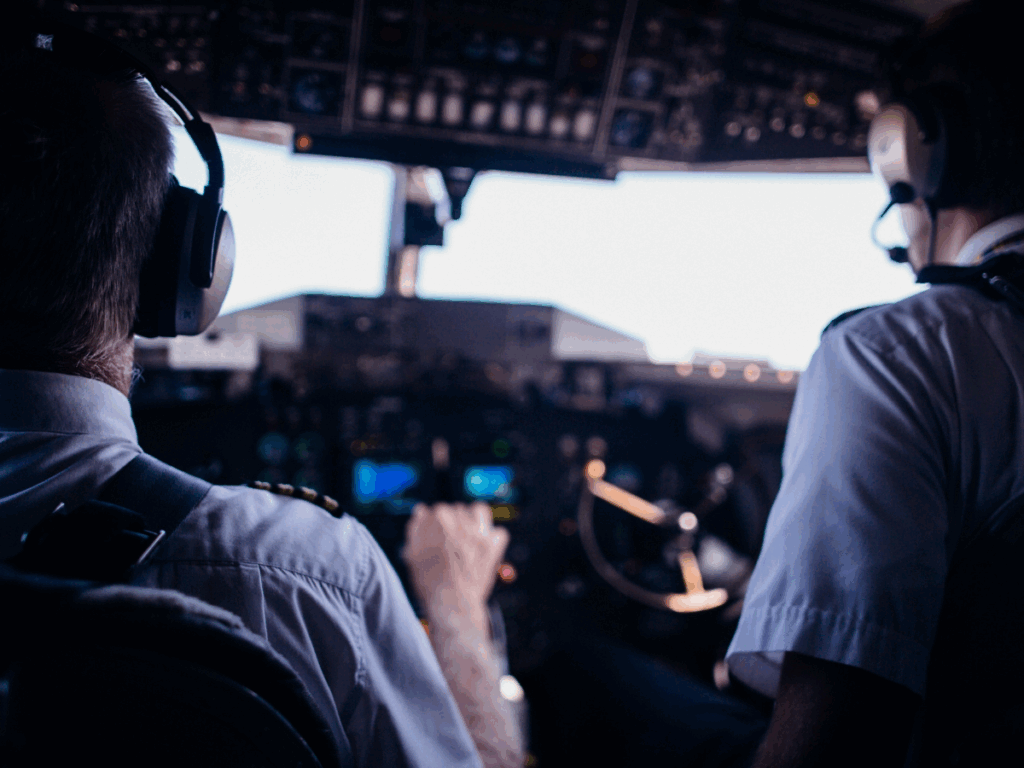
When discussing flight safety and emergency preparedness, it’s important to acknowledge the central role played by the pilot in command (PIC). As per the Federal Aviation Regulations, the PIC, or the pilot in command, is directly responsible for, and is the final authority as to, the operation of the aircraft.
Role and Responsibility
Whether in normal flight conditions or an emergency, the PIC has the ultimate responsibility for the safety and operation of the aircraft and everyone on board. This includes decision-making before the flight, such as assessing the aircraft’s airworthiness, and during the flight, such as responding to any unexpected situations or emergencies.
Authority of the PIC
The PIC has the authority to make final decisions regarding the operation of the aircraft. This can involve any aspect of the flight, from determining the route to making necessary changes in-flight due to weather or emergencies, or deciding to abort a flight altogether if deemed unsafe.
Training for Emergency Situations at Kingsky Flight Academy
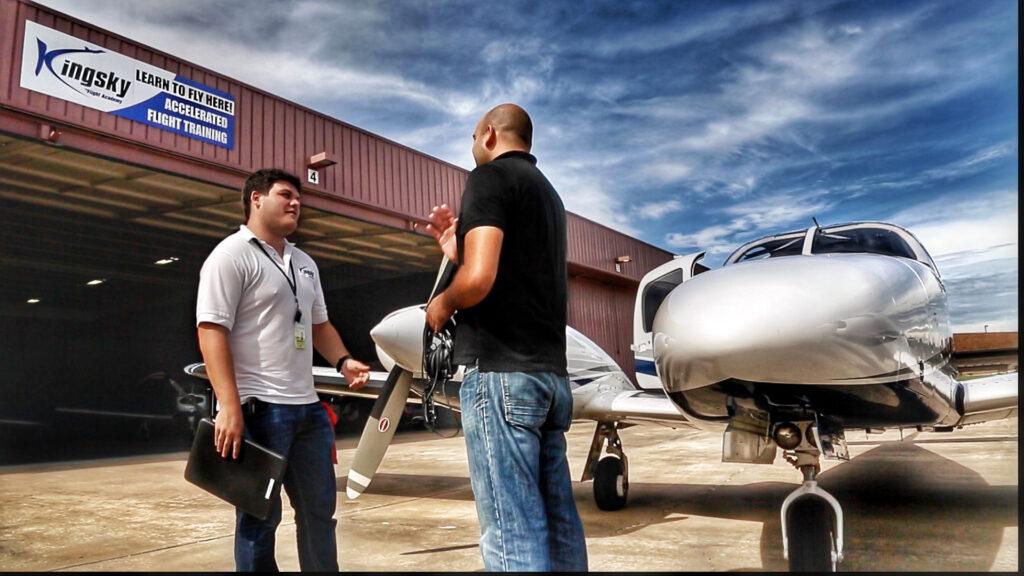
At Kingsky Flight Academy, we ensure our students are thoroughly trained on the emergency checklist. We also emphasize the role and responsibilities of the PIC in our training programs. We teach our students to respect this position of authority, understanding the weight of responsibility it carries.
We conduct regular drills so that our pilots are ready for any emergency situation. Our training regimen includes:
- Classroom instructions on the components and importance of the emergency checklist
- Simulator sessions to practice immediate action and secondary action items
- Regular drills and exams to reinforce knowledge and assess proficiency
Our mission is to equip our pilots with the necessary skills to respond to emergencies calmly and confidently. By mastering the emergency checklist, our pilots ensure the safety of themselves and their passengers.
Always remember, safe flying begins with thorough preparation. For more information about our flight training programs, explore our website or contact us at (863) 248-2543. Let’s make the skies safer together.