
If you are considering turning your love of flying into a career, you are probably wondering how much pilots make. A pilot’s salary depends on what type of aircraft they fly and their level of experience. Within major airlines, the pay scale is usually set up to reflect where you fly, your years of flight experience, and your seniority level.
Beyond just numbers, a pilot’s salary reflects the responsibility, pilot training, and precision required in the cockpit. As global demand for qualified pilots continues to rise, competitive pay, bonuses, and benefits are making aviation one of the most attractive career options in today’s job market.
How Much Is an Airline Pilot’s Salary?

Airlines pay top dollar for qualified commercial pilots who meet all the criteria to fly for a major carrier. In the United States, airline pilot pay varies widely depending on experience, aircraft, and airline.
According to the most recent labor data, the median annual wage for commercial pilots was $122,670, with wages ranging from about $59,000 for the lowest 10 percent to roughly $239,000+ for the highest 10 percent.
What Factors Determine How Much Airline Pilots Make?

Airline pilots’ salaries are not equal across the board. Some of the reasons for the wide variations include:
- Regional demand, causing salaries to vary across the country
- The type of aircraft a pilot is licensed to fly
- Flight hours and years of experience
- Pilot union agreements that may apply
- The fact that pilots are typically paid by the flight hour
- Attaining job titles like airline captain or first officer
These factors combine to create a dynamic pay structure where each pilot’s earnings reflect their qualifications, responsibilities, and the specific demands of their role.
Sample Salaries for Major Airline Pilots
Major national and international airlines pay some of the highest salaries a pilot can earn. Examples include:
U.S. Major Airlines
Delta Air Lines
- First Officer (Year 1): $95,000
- Captain (Year 12+): $354,000
- Maximum earning potential: $500,000–$750,000+
Delta’s latest contract includes 20% profit sharing and enhanced widebody pay premiums.
United Airlines
- First Officer (Year 1): $92,000
- Captain (Year 12+): $350,000
- Maximum earning potential: $480,000–$700,000+
United’s $10 billion pilot contract is fully implemented, placing it among the highest-paying carriers globally.
American Airlines
- First Officer (Year 1): $95,000
- Captain (Year 12+): $345,000
- Maximum earning potential: $475,000–$680,000+
American’s pay scale now mirrors Delta and United following recent contract parity agreements.
Southwest Airlines
- First Officer (Year 1): $130,000 (industry-leading entry pay)
- Captain (Year 12+): $350,000
- Maximum earning potential: $450,000–$600,000+
Southwest continues to lead in early-career compensation with strong long-term captain earnings.
International Airlines
Middle East: Premium, Tax-Free Packages
Emirates Airlines
- First Officers: ~$102,000
- Captains: ~$145,000
- Additional Benefits: Housing allowance of approximately $50,000, family education support, and full tax-free income
- Total Compensation: $180,000–$320,000+ for experienced captains, depending on seniority and fleet
Emirates offers one of the most comprehensive pilot compensation packages in the world.
Qatar Airways
- First Officers: $70,000–$120,000
- Captains: $150,000–$300,000
- Benefits: Up to 42 days of annual leave, worldwide healthcare coverage, and housing-related allowances
- Career Outlook: Clear advancement pathways to captain roles on long-haul fleets
Qatar Airways provides competitive, tax-free compensation with strong career progression.
Asia-Pacific: High Growth, Competitive Pay
Singapore Airlines
- Captains: $200,000–$240,000
- Benefits: International allowances, comprehensive healthcare, and premium long-haul operations
As one of Asia’s leading carriers, Singapore Airlines offers strong captain compensation.
Cathay Pacific
- Second Officers: ~$75,000
- First Officers: ~$115,000
- Captains: $200,000+
- Perks: 35 days of annual leave for captains and discounted global travel
Cathay Pacific provides tiered compensation with generous time-off benefits.
Europe: Wide Variability by Country & Carrier
British Airways
- Captain Salaries: Approximately $110,000–$210,000
- Low-Cost Carriers: Airlines such as EasyJet may reach $220,000 at the top end
- Legacy Carriers: British Airways maintains competitive pay with structured benefits
British Airways offers competitive legacy-carrier compensation in the UK market, with structured pay scales, strong benefits, and earnings that increase with seniority and fleet assignment.
Lufthansa (Germany)
- Entry-Level Captains: ~$120,000
- Senior Captains: $240,000+
- Benefits: Strong pensions, job stability, and international route premiums
Lufthansa combines stable base pay with robust pension benefits, long-term job security, and higher earning potential for senior captains on international routes.
Southern Europe (Spain & nearby markets)
- Traditional Carriers: Approximately $42,000–$100,000 for experienced pilots
- Low-Cost Segment: Lower base pay, often offset by faster advancement opportunities
Southern European carriers generally offer lower base salaries than those in Northern Europe, though faster upgrade timelines at some airlines can accelerate long-term earning potential.
These figures highlight how pilot salaries can reach impressive levels, especially for those with seniority and international experience, making it a highly rewarding career both financially and professionally.Airline Pilot Salaries by State
Airline Pilot Salaries by State

Regional airline pilot salaries vary significantly across the United States. While some states offer averages over $100,000, others fall short of that average. Among the highest-paying states for base pay are California ($154,921), Washington ($142,353), and New York ($124,274).
Meanwhile, other states report lower average pilot salaries—some under $50,000. One of the lowest recorded averages is in West Virginia ($41,311).
Overall, pilot salaries at the regional level are influenced by geographic demand, cost of living, airline presence, and operational costs within each state.
Starting Your Career as a Pilot
Most pilots begin earning income after becoming a certified flight instructor (CFI) or by taking on other entry-level commercial flying roles, such as charter operations or aerial survey. These positions help new pilots build valuable experience and flight hours toward the 1,500-hour minimum required for the airline transport pilot (ATP) certificate—a key milestone for those pursuing airline careers.
Once eligible for the ATP and hired by a regional airline, new first officers in 2026 can expect to earn between $55,000 and $85,000 annually, depending on the carrier, aircraft type, and contract structure. Many regional airlines also offer substantial signing bonuses and fast-track captain upgrades due to the ongoing demand for qualified pilots.
What Requirements Must an Airline Pilot Meet?

There are some requirements of the FAA that you should be aware of as you embark on a career as an airline pilot:
- Airline transfer pilots must pass a Class 1 medical exam and practice a healthy lifestyle to maintain it.
- Airline pilots are required to retire at age 65, although they may still fly as private pilots past this age limit.
Meeting these requirements ensures pilots are physically fit, legally compliant, and fully prepared to handle the responsibilities of a professional airline career.
Financial Benefits Beyond a Pilot’s Hourly Rate

In today’s competitive aviation job market, pilots enjoy a wide range of financial benefits that go far beyond their base hourly rate. These added incentives have become increasingly attractive in response to strong global demand for qualified pilots:
- A minimum daily and monthly guarantee. Since pilots are limited to 1,000 flight hours per year under FAA regulations, most airlines provide monthly pay guarantees of 75–85 hours, with some offering daily minimums (e.g., 4.1 hours) to ensure stable income even on short-duty days.
- A signing bonus. To attract new hires, particularly at regional airlines, signing bonuses are given. Depending on the airline, experience level, and fleet type, these bonuses are often paid upfront or in milestone installments.
- Annual employee bonuses. Many airlines distribute annual performance-based bonuses to pilots as part of company-wide profit-sharing plans. These bonuses can add thousands—or even tens of thousands—of dollars to a pilot’s salary.
- Overtime beyond base salary. Pilots can significantly increase their earnings by flying on scheduled days off, during high-demand periods, or accepting short-notice trips. In some cases, this results in premium pay rates of 150% to 300% of their normal hourly wage.
- Comprehensive Benefits Packages. Pilots typically receive generous benefits, including health, dental, vision, and life insurance, along with 401(k) retirement plans with employer matching, paid vacation, sick leave, and family medical coverage.
- Additional perks. In addition to financial compensation, pilots benefit from meal and lodging reimbursements, per diem rates when away from base, and access to free or discounted air travel—often referred to as “jumpseating” or non-rev travel for themselves and eligible family members.
These comprehensive benefits not only enhance a pilot’s overall compensation but also contribute to long-term financial stability, job satisfaction, and an exceptional quality of life both on and off the job.
Letting Your Career Take Flight
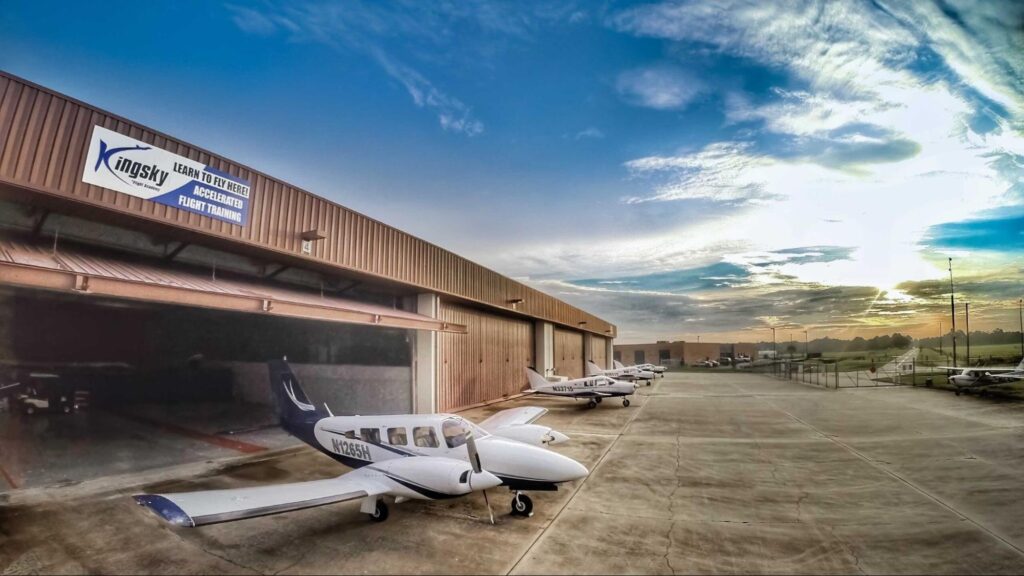
If flying is your calling, flight school is the way to turn your passion for flight into a lucrative and reliable career path. At Kingsky Flight Academy, we offer full-time professional pilot programs that can help you reach your goal as quickly as possible.
Our FAA-approved courses feature concurrent ground and flight training, covering all essential aspects of aviation. Pilot training programs can fit your schedule with our accelerated options or programs that allow you to earn your pilot licenses on evenings and weekends. Financial aid is available, and our programs are GI-bill eligible.
There are so many ways to let your career take flight as a professional pilot. Contact us today to identify the fastest path to a high-paying career in the sky. We have hiring agreements with regional airlines and a very high pass rate for our motivated student pilots. Take your career to new heights as you partner with Kingsky Flight Academy for the fastest and most flexible ATP flight training available anywhere.