
For pilots pursuing careers with today’s major passenger airlines, the B737NG Type Rating is often the preferred choice because of its widespread airline adoption. Pilots targeting cargo or specialized operators, however, may find the B737 Classic remains the better fit.
When you strip the B737 Classic Type Rating vs. B737NG Type Rating question down, it really rests on three things—cockpit technology, how many jets are actually flying, and where you want your career to end up.
Both jets are part of the same Boeing 737 family, but they train and fly in noticeably different ways. This guide walks through the cockpit, avionics, engines, systems, and real hiring value so you can choose the Type Rating course that genuinely pushes your career ahead.
Key Takeaways
- 737NG dominates active fleets, making its Type Rating a safe hiring bet.
- 737 Classics (300/400/500) use analog instruments and CFM56-3 engines.
- 737NG features a glass cockpit, CFM56-7B engines, and winglets.
- A single 737 Type Rating can cover multiple variants.
Understanding the Boeing 737 Family

The Boeing 737 is the most produced commercial jet in history, with more than 12,600 delivered across its variants. When it comes to Type Ratings, though, pilots tend to lump the fleet into two practical groups: the Classic and the Next Generation.
Figuring out which variant you’ll actually fly shapes the whole training decision. Airlines don’t mix these fleets on a whim, so your Boeing 737 pilot credentials need to line up with the aircraft they really operate.
What Counts as a 737 Classic
The Boeing 737 Classic family includes the 737-300, 737-400, and 737-500. Introduced in the 1980s, these aircraft are powered by CFM56-3 engines and represented a major evolution from the earlier 737-100 and -200.
Flight deck configurations vary by aircraft and operator, with both conventional instrumentation and EFIS-equipped configurations found across the Classic fleet. Despite these differences, the 737 Classic retains the traditional cockpit layout and operating philosophy characteristic of earlier generations of the 737.
What Defines the 737NG
The 737 Next Generation (NG) family includes the 737-600, 737-700, 737-800, and 737-900. Introduced in the late 1990s, the NG brought CFM56-7B engines, a substantially redesigned wing, higher maximum takeoff weights, longer range, and modern avionics. Its six-display glass cockpit, advanced flight management capabilities, and widespread use of blended winglets made it the foundation of many airline fleets worldwide.
B737 Classic vs. NG: Side-by-Side Comparison
Here’s the 737 rating comparison that pilots tend to weigh before committing to a Type Rating course. The B737 Classic vs. 737NG Type Rating choice touches cockpit design, avionics, engines, and long-term career value.
| Feature | 737 Classic (300/400/500) | 737NG (600/700/800/900) |
|---|---|---|
| Cockpit | Analog-based, hybrid EFIS on some | Six large LCD flight displays |
| Avionics | Older FMS, electromechanical gauges | Upgraded FMC, common display system |
| Engines | CFM56-3 | CFM56-7B |
| Winglets | Rare, mostly none | Common (blended winglets) |
| Range | Shorter | Extended range and payload |
| Fleet presence | Declining, niche operators | Dominant worldwide |
| Career value | Limited, specialized | Strong, widely transferable |
The 737-300 vs. 737-800 gap shows this best. The 737-800 is the workhorse across a lot of major carriers, while the 737-300 now spends most of its days with cargo outfits and smaller regional operators.
Cockpit and Avionics Differences
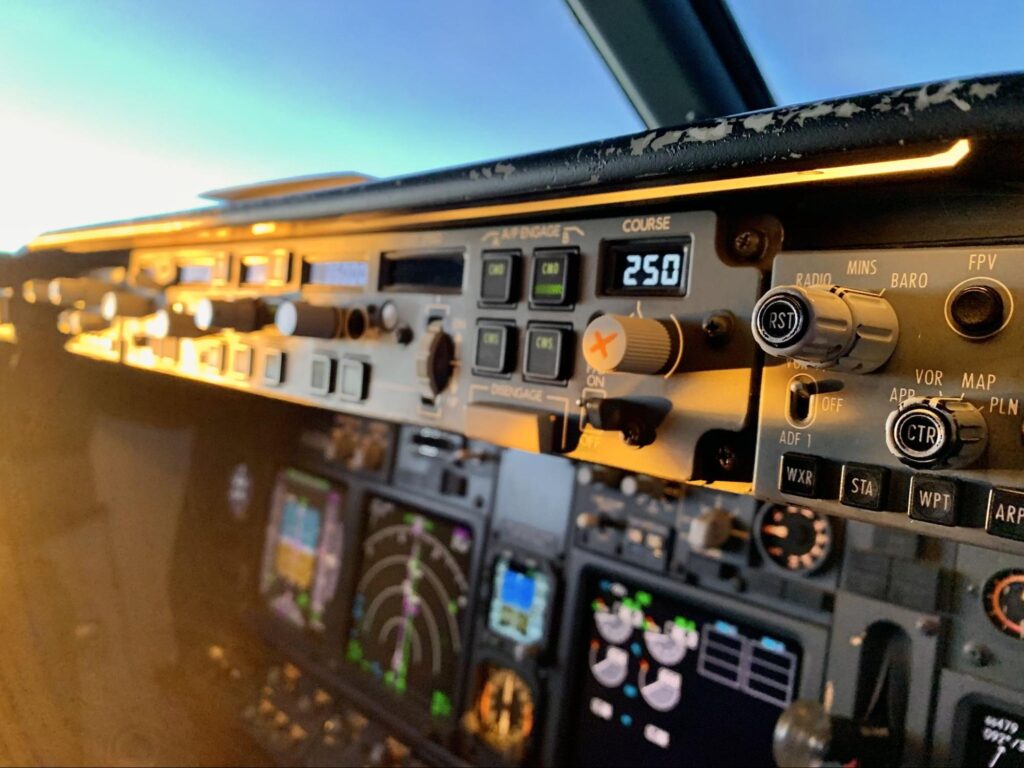
The 737 Classic cockpit differences versus the NG account for most of the training workload. Pilots switching between the two have to relearn scan patterns, automation logic, and how they manage the displays.
These 737 avionics differences matter because your instrument scan and your whole workflow shift quite a bit between the two aircraft.
737 Classic Analog Instruments
The Classic Boeing 737 cockpit layout relies on round-dial gauges, with separate instruments for attitude, altitude, and navigation. Later Classics tacked on a few EFIS screens, which made for a hybrid setup.
Its 737 flight management system is older and less integrated than what you’ll find on the NG. Pilots often call the Classic a hands-on aircraft—one that rewards strong raw flying and plenty of manual data entry.
737NG Glass Cockpit
The 737NG cockpit displays are six large flat-panel screens fed by a common display system. This setup pulls flight, navigation, and system data into a cleaner, more automated picture.
The upgraded flight management computer (FMC) takes on more of the work and lightens the load during complex procedures. That automation is a big part of why airlines lean toward the NG for standardized Boeing 737 training.
Engines, Systems, and Performance
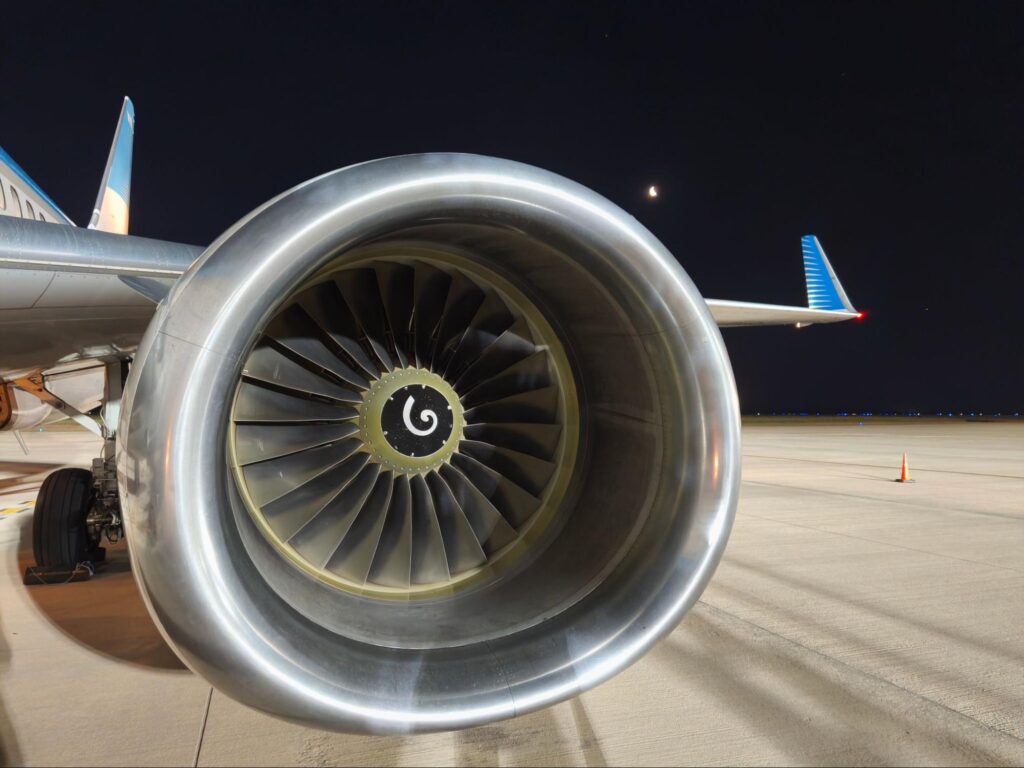
Engine choice drives a lot of the 737 fleet differences. The Classic’s CFM56-3 makes less thrust and burns more fuel than the NG’s CFM56-7B, which is both more efficient and better at altitude.
The 737NG differences carry over to the airframe too. The redesigned wing, bigger fuel capacity, and 737NG winglets give the NG longer range and a higher maximum takeoff weight (MTOW).
You’ll notice handling differences in training as well:
- The NG carries more weight and flies longer legs, which changes fuel and performance planning.
- Winglets alter drag and climb profiles compared with the Classic.
- The NG’s automation smooths the workload, while the Classic asks for more manual management.
These 737 Classic differences are practical, not just technical trivia. They shape how you plan, brief, and fly each variant during your aircraft Type Rating training.
Type Rating and the Common Type Rating Question

An aircraft Type Rating is an endorsement on your license that lets you act as pilot of a specific jet. For the 737, regulators handle the family under a shared framework, which is where the common Type Rating 737 question comes in.
The FAA‘s 737 Flight Standardization Board report states that common type ratings are not applicable to the 737. Every 737 variant sits under a single FAA type rating designation, B-737, with differences training required between generations.
Here’s what shapes 737 Type Rating requirements and expectations:
- Prerequisites: A commercial pilot rating and, for airline operations, an airline transport pilot (ATP) certificate.
- Ground school: Systems, limitations, and procedures for your chosen variant.
- Simulator training: Full-flight simulator sessions covering normal and emergency procedures.
- Checkride: A practical test for airline pilot certification on the type.
A 737-300 Type Rating and a 737-800 Type Rating follow the same regulatory structure, though the NG’s automation typically means more time spent on display management.
Which 737 Type Rating Should You Choose?
Which 737 Type Rating fits you comes down to fleet reality and hiring demand. The 737 Classic vs. 737NG Type Rating decision should follow the jobs, not nostalgia.
Choose the 737NG if:
- You want the widest airline hiring pool and strongest job prospects.
- You value a modern glass cockpit that transfers to newer aircraft.
- You are targeting major passenger carriers.
Consider the 737 Classic if:
- You are pursuing a specific cargo or niche operator that still flies them.
- A Classic role is your confirmed near-term opportunity.
At Kingsky, we teach the Classic with the 737-300 as base aircraft and the 400 and 500 covered as differences within the course, and we teach the NG with the 737-800 as base and the 600, 700, 900 and MAX covered as differences inside the type rating. A pilot completing our NG course leaves with MAX differences already covered.
For most pilots weighing 737 Type Rating options, the NG opens up far broader 737 job prospects. Kingsky Flight Academy advisors help match your goals, hours, and target airlines to the right jet Type Rating and commercial pilot rating path. Explore the details of our B737 Type Rating courses to see how the training maps to your career.
Plan Your 737 Career Path With Kingsky Flight Academy
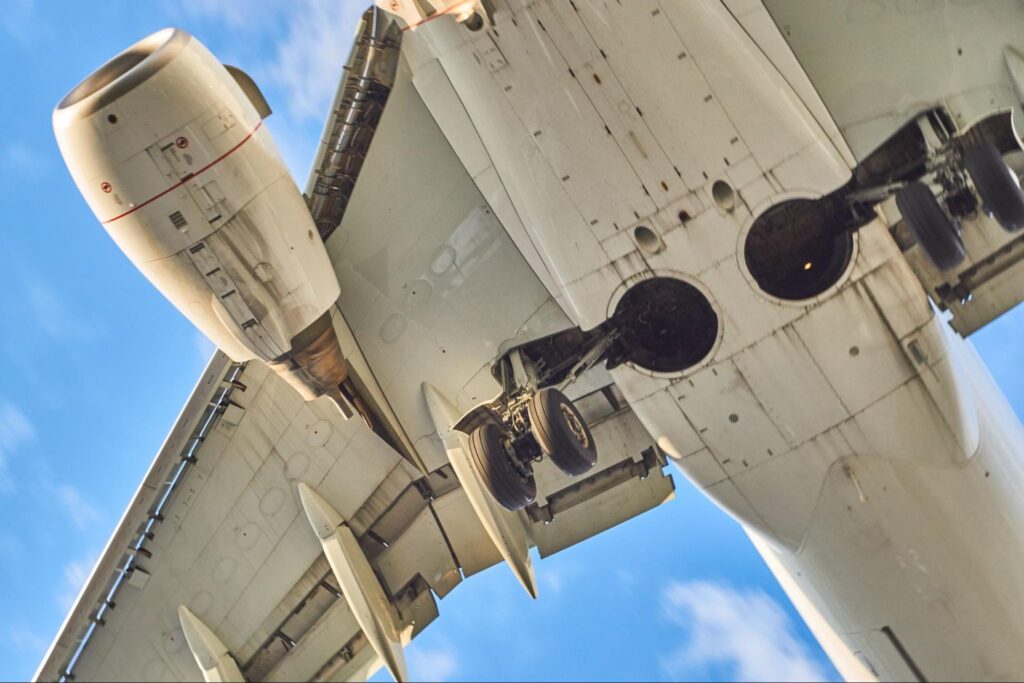
The choice between B737 Classic vs. NG shapes both your flight training program and your first airline job. With over 60 years of combined instructor experience, Kingsky Flight Academy helps pilots turn training decisions into real cockpit careers.
Our team knows Boeing 737 variants rating pathways inside out, understands the 737 Classic vs. Next Generation trade-offs, and has a clear read on how airlines actually hire. We build a plan around your hours, your budget, and the fleet you’re aiming for.
Talk to a Kingsky Flight Academy Advisor to Map Your Path Toward a 737 Type Rating and Airline Career

Ready to move from student to airline flight deck? Our founders and leadership team bring more than 60 years of combined aviation expertise to help you review your experience, walk you through your Type Rating course options, and map a clear pilot career path toward a 737 airline job. Contact Kingsky Flight Academy today to start planning your airline pilot training with confidence.
Frequently Asked Questions
Is a 737 Classic Type Rating still worth getting in 2026?
A 737 Classic Type Rating is worth it mainly if you have a confirmed role with a cargo or niche operator that still flies the type. While many passenger airlines have transitioned to newer 737 variants, the 737 Classic continues to serve with certain cargo carriers and specialized operators.
What are the main cockpit differences between the 737 Classic and 737NG?
The 737 Classic uses analog instruments and a hybrid or limited EFIS layout with an older flight management system. The 737NG features a full glass cockpit with six flat-panel displays, a common display system, and an upgraded flight management computer that reduces workload.
Does a 737NG Type Rating cover the 737 Classic?
Kingsky Flight Academy offers a dedicated B737-300/400/500 to B737-800 differences course for Classic pilots moving up.
Which 737 Type Rating do airlines prefer for hiring?
Most airlines prefer the 737NG rating because the NG dominates active passenger fleets worldwide. A 737-800 Type Rating aligns with the most common variant in service, giving you the widest hiring pool and the strongest transferability to newer aircraft.