
From Flight School to the Flight Deck of One of the World’s Most Popular Airliners
For many aspiring airline pilots, flying the Airbus A320 represents a major career milestone. As one of the most widely operated commercial aircraft families in the world, the A320 serves thousands of routes daily and is flown by major airlines across the globe.
But how does a pilot transition from flying training aircraft or regional airplanes to commanding an advanced commercial jet like the Airbus A320? The journey involves specialized training, simulator sessions, and a type rating program designed to prepare pilots for the demands of modern airline operations.
Whether a pilot is coming directly from a flight academy, building experience as a flight instructor, or transitioning from regional airline operations, the path to the Airbus A320 follows a structured training process designed to ensure safety, proficiency, and professionalism.
Understanding this journey provides valuable insight into what it takes to operate one of the world’s most advanced commercial aircraft.
What Is an Airbus A320 Type Rating?
A type rating is an additional certification required to operate large or complex aircraft such as the Airbus A320. While a commercial pilot license (CPL) allows pilots to fly professionally, airline aircraft require specific training and certification on the exact aircraft type.
The Airbus A320 type rating covers:
- Aircraft systems and operations
- Flight management systems (FMS)
- Airbus fly-by-wire technology
- Standard operating procedures (SOPs)
- Normal and emergency procedures
- Performance calculations
- Crew resource management (CRM)
Upon successful completion, pilots are legally qualified to operate the Airbus A320.
The Ground School Phase
Before entering the simulator, pilots undergo intensive classroom and computer-based training.
Ground school typically includes:
Aircraft Systems Training
Pilots learn how the aircraft’s systems operate, including:
- Electrical systems
- Hydraulic systems
- Fuel systems
- Flight controls
- Pneumatic systems
- Air conditioning and pressurization
Airbus Philosophy
One of the most unique aspects of Airbus aircraft is their fly-by-wire design.
Unlike traditional aircraft that use mechanical control linkages, the A320 uses electronic signals to transmit pilot inputs to the flight control surfaces. This technology provides flight envelope protection and enhances operational safety.
Flight Management System (FMS)
Pilots learn how to program and manage the flight management and guidance system (FMGS), which controls navigation, performance calculations, and flight planning.
Understanding automation management is a critical part of becoming an Airbus pilot.
Simulator Training: Bringing Knowledge to Life
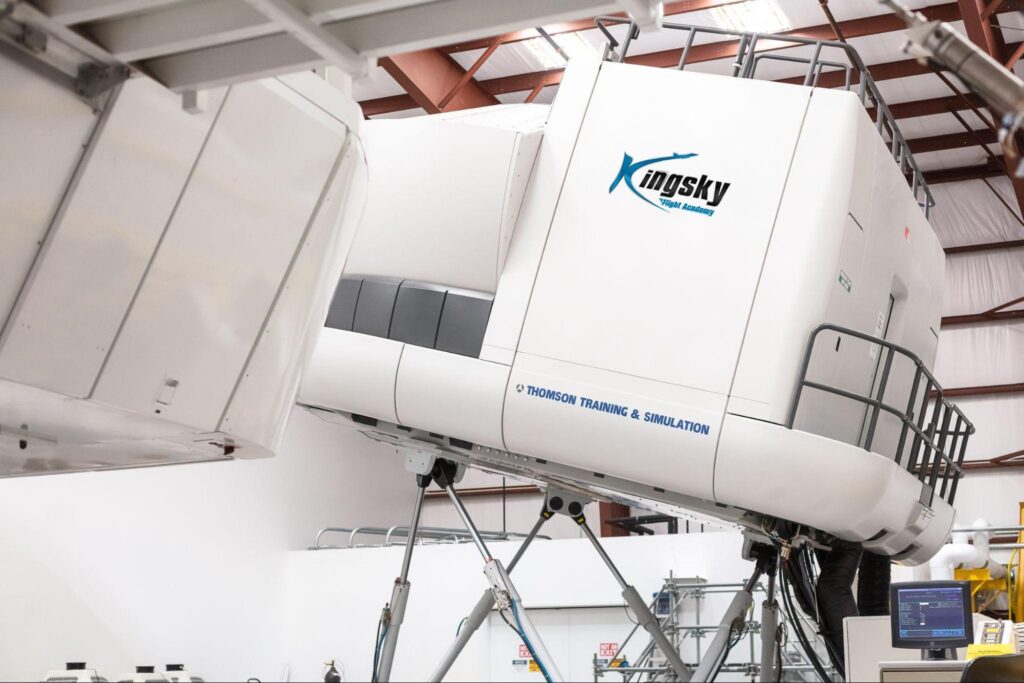
After completing ground school, pilots advance to full flight simulators (FFS), where they begin applying their theoretical knowledge in a highly realistic training environment. Our simulator training runs in a Level C or Level D FAA approved full flight simulator, and CRM is a formal module of our ground school. These advanced simulators accurately replicate the A320 Airbus cockpit, aircraft systems, and flight characteristics, allowing pilots to experience a wide range of operational scenarios.
During simulator training, pilots practice every phase of flight, from engine start and taxi operations to takeoff, cruise, descent, approach, and landing. They also learn to manage the aircraft’s sophisticated automation systems and flight management system (FMS), developing the skills required for efficient airline operations.
A significant portion of simulator training is dedicated to abnormal and emergency procedures. Pilots are exposed to situations such as engine failures, hydraulic and electrical malfunctions, cabin depressurization events, challenging weather conditions, and go-arounds. These scenarios help pilots build confidence, sharpen decision-making skills, and learn how to respond effectively under pressure—all within a safe and controlled environment.
The simulator serves as a bridge between classroom learning and real-world airline operations, ensuring pilots are fully prepared before they ever step into the cockpit of an actual Airbus A320.
Crew Resource Management (CRM)
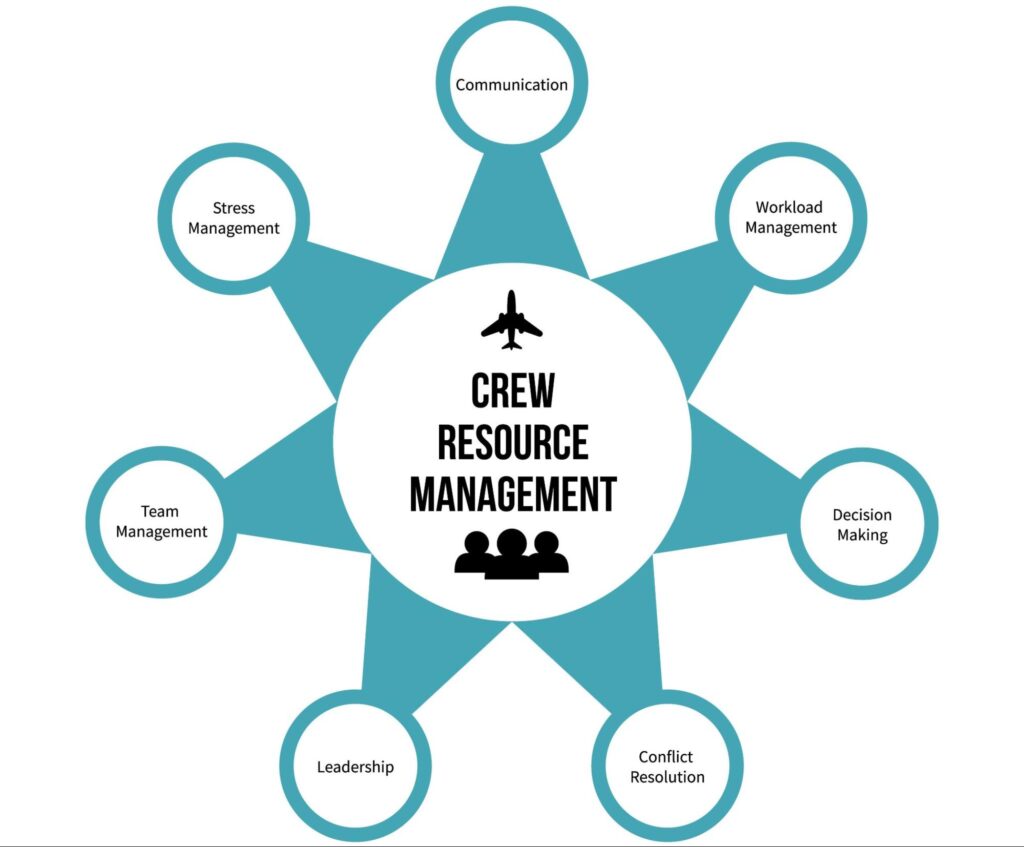
While technical proficiency is essential, modern airline operations also require strong teamwork and communication. This is where crew resource management (CRM) becomes a critical part of Airbus A320 transition training.
CRM teaches pilots how to work effectively as part of a flight crew by improving communication, situational awareness, leadership, workload management, and decision-making. These skills help crews identify and manage potential threats, reduce human error, and maintain the highest standards of safety throughout every flight.
Airlines place significant emphasis on CRM because successful airline operations depend not only on flying skills but also on the ability of pilots to collaborate, communicate clearly, and make sound decisions in dynamic environments.
Proficiency Check (PIC)
Before earning an Airbus A320 type rating, pilots must successfully complete a Proficiency Check (PIC) or Qualification Check (SIC), a 3 hour evaluation conducted by a Training Center Evaluator or FAA inspector under the Airman Certification Standards. During this evaluation, examiners assess the pilot’s ability to operate the aircraft safely, manage aircraft systems, follow standard operating procedures, and respond appropriately to both normal and emergency situations.
The assessment is designed to verify that pilots possess the technical knowledge, procedural discipline, and professional judgment required for airline operations. Upon successful completion, the Airbus A320 type rating is added to the pilot’s license, marking a major milestone on the path to an airline career.
Kingsky Flight Academy’s Specific Course Options
Kingsky Flight Academy offers several Airbus A320 training pathways, including Initial and Reduced Type Rating (Prior Experience) courses, and Recurrent Training.
- Initial A320 Type Rating
- Reduced (Prior Experience) Type Rating
- Recurrent Training
These programs are designed to help pilots meet regulatory requirements while maintaining proficiency and currency on the aircraft.
Beyond the Type Rating
After earning an Airbus A320 type rating, pilots typically complete additional airline-specific training before beginning line operations. Depending on the airline, this may include company procedures training, line-oriented flight training (LOFT), and other operational familiarization programs designed to prepare pilots for real-world airline environments.
Preparing for an Airbus Career
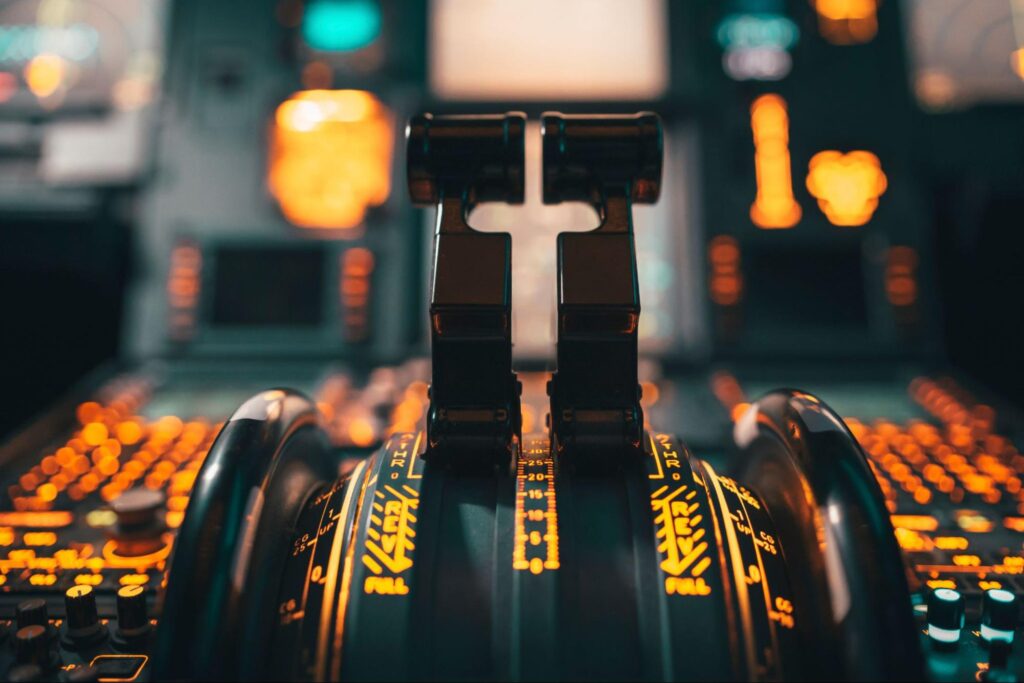
The foundation for a successful Airbus A320 career begins long before type rating training. Strong flying skills, a solid understanding of aviation fundamentals, professionalism, and disciplined study habits all contribute to success during airline transition programs.
At Kingsky Flight Academy, students receive structured, airline-oriented flight training designed to prepare them for the next stage of their aviation careers. From private pilot training through commercial certifications, every step builds the knowledge, confidence, and professionalism needed for future airline operations.
Your Journey Starts Here at Kingsky Flight Academy
The transition to the Airbus A320 is an exciting step toward a rewarding airline career. With our 60 plus years of combined experience, and through comprehensive type rating programs, advanced simulator training, and industry-focused instruction, pilots develop the expertise required to operate one of the world’s most successful commercial aircraft.
With the right training, dedication, and preparation, the path from flight school to the Airbus A320 cockpit is closer than you may think. Ready to begin your aviation journey? Contact Kingsky Flight Academy today and take the first step toward your A320 type rating and future in commercial aviation.