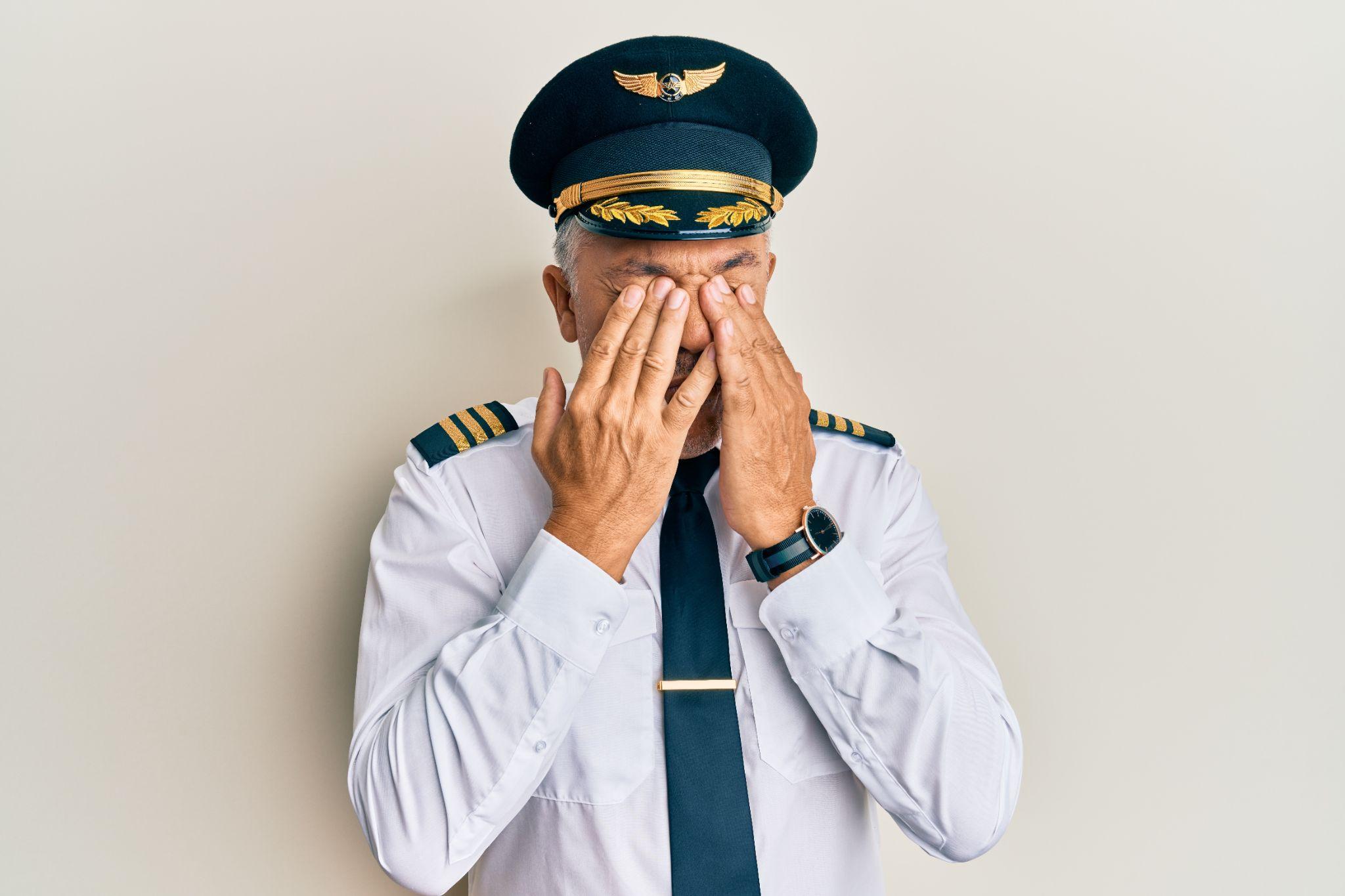
IMSAFE Checklist: How Pilots Assess Their Health

Before you ever touch the controls, your most critical preflight check has nothing to do with the aircraft. The IMSAFE checklist is the FAA-recognized self-assessment tool pilots use to evaluate their own fitness to fly—and getting it wrong can be fatal.

Every flight puts you in command of an aircraft where your judgment, reaction time, and situational awareness directly affect not just your own life, but everyone on board and on the ground below. The IMSAFE checklist gives you a structured, honest way to answer one question before you ever leave the ground: Am I actually fit to fly right now?

Key Takeaways

  • IMSAFE stands for Illness, Medication, Stress, Alcohol, Fatigue, and Emotion/Eating.
  • The FAA references IMSAFE in the Pilot’s Handbook of Aeronautical Knowledge (FAA-H-8083-25C).
  • 14 CFR § 61.53 prohibits flying when a known medical condition prevents meeting medical certificate requirements.
  • Fatigue and stress are among the most underestimated human factors in general aviation accidents.
  • Building the IMSAFE habit early in pilot training sets the foundation for a safe flying career.

What Is the IMSAFE Checklist?

The IMSAFE checklist is an acronym-based self-assessment framework drawn from FAA aeromedical education and published in the Pilot’s Handbook of Aeronautical Knowledge (FAA-H-8083-25C). Pilots at every certificate level—student, private, commercial, and airline—use it before every flight to spot personal risk factors that could impair their performance. It takes less than two minutes and could save your life.

Breaking Down Each Letter of IMSAFE

I — Illness

Flying with a cold or sinus infection might feel trivial on the ground, but at altitude it’s an entirely different story. Pressure changes in the cabin can trap air in your sinuses and middle ear, producing severe pain and spatial disorientation. Even mild gastrointestinal distress can pull your attention from the cockpit at exactly the wrong moment.

Under 14 CFR 61.53, pilots are prohibited from acting as pilot in command when they know of any medical condition that makes them unable to meet the standards required for their medical certificate. When in doubt, ground yourself—a rescheduled lesson costs nothing compared to an accident.

M — Medication

This letter trips up more student pilots than almost any other. The temptation is to think: I took an antihistamine for allergies—that’s not a big deal. But many common medications can impair alertness, judgment, and cognitive performance.

FAA guidance generally requires waiting five times the medication’s dosage interval before flying—typically 30, 40, or 60 hours, depending on the medication. New medications require at least 48 hours, and sedating antihistamines require 60 hours. Remember, the condition requiring the medication may also make you unfit to fly.

Before flying after taking medication, verify the applicable FAA guidance or consult an Aviation Medical Examiner (AME).

S — Stress

Stress is one of the most overlooked human factors in aviation. Financial pressure, relationship trouble, a difficult conversation before you left the house—none of that stays on the ground when you climb into the cockpit. Stress can quietly degrade situational awareness and aeronautical decision making (ADM) in ways that are genuinely hard to detect in yourself.

Honest self-assessment here is harder than it sounds. Ask yourself: Can I give this flight my full attention? If the honest answer is no, there’s your answer.

A — Alcohol

The FAA’s rules on this one are specific and non-negotiable. 14 CFR 91.17 requires a minimum of eight hours between your last drink and acting as a flight crew member—the well-known “bottle to throttle” rule—and mandates a blood alcohol concentration below 0.04%.

What catches a lot of new pilots off guard is that a pilot with a hangover is still under the influence of alcohol, even if you cleared the eight-hour window. FAA materials state hangover effects can last 48 to 72 hours after consumption. If you feel it, you don’t fly.

F — Fatigue

Fatigue is one of the most dangerous and most underestimated forces in aviation. Pilots are notoriously poor at gauging their own fatigue level. Sleep debt accumulates over days, and circadian disruption from shift work, early morning flights, or late nights compounds the problem considerably.

The FAA’s fatigue awareness guidance is clear that even one poor night of sleep meaningfully degrades reaction time and decision-making. Before your next flight, ask yourself honestly: Did I sleep well? Do I feel rested? Not “good enough”—rested.

E — Emotion/Eating

Flying demands sustained focus, sound judgment, and emotional control. Strong emotions—whether caused by stress, frustration, anger, anxiety, or excitement—can distract you, narrow your attention, and affect decision-making. If your mind is somewhere else, you may not be ready to fly.

Your brain also needs fuel. Skip a meal before a flight and low blood sugar can lead to reduced concentration, irritability, and slower reaction times. None of those belong in the cockpit.

Before you fly, check both your emotional state and your physical fuel. Eat a balanced meal, avoid heavy or unfamiliar foods, and make sure you’re mentally focused on the flight ahead.

IMSAFE at a Glance: Quick-Reference Table

LetterStands ForKey Go/No-Go Question
IIllnessAm I experiencing any illness (even minor) that could affect my performance or worsen at altitude?
MMedicationHave I met FAA wait times, and is my medication approved for flight?
SStressAm I carrying psychological stress that could reduce my situational awareness or decision-making?
AAlcoholHave I consumed alcohol in the last 8+ hours, and do I still feel any of its effects?
FFatigueAm I genuinely rested and alert, or am I operating on sleep debt?
EEmotion/EatingHave I eaten a proper meal, and am I emotionally fit to fly?

Why the IMSAFE Checklist Matters for Student Pilots

Pilot holding medication.

The habits you build during flight training follow you for your entire aviation career. Knowing the acronym is enough to pass a quiz. Using it honestly before every flight—especially the days when you really want to fly—is what separates disciplined pilots from complacent ones. Flight physiology and human factors aviation concepts like IMSAFE aren’t just academic. They show up in the actual decisions you make before, during, and after every flight.

Making IMSAFE a Pre-Flight Habit

Pilot with headache.

Discipline is built through repetition, not intention. Run through IMSAFE at the same point in every preflight—before you ever walk out to the aircraft. Some pilots write it into their personal flight log as a quick six-letter self-check. Others say it out loud to their CFI as a normal part of the lesson briefing.

Get comfortable grounding yourself when any IMSAFE letter gives you pause. That’s not weakness—it’s exactly what professional pilot training teaches. The pilots who build long, safe careers are the ones who said no when they needed to, and said it early.

When you develop the right habits from day one, you build the kind of aeronautical decision making that compounds over thousands of flight hours. The IMSAFE checklist is where that discipline begins.

Enroll at Kingsky Flight Academy to Learn Aviation Safety Fundamentals

Flight training at Kingsky Flight Academy.

The IMSAFE checklist is one of dozens of practical safety habits you’ll build through structured flight training at Kingsky Flight Academy. Our certified flight instructors bring more than 60 years of combined teaching experience to every lesson—guiding student pilots through the exact human factors and aeromedical decisions that determine safe, professional flying. 

If you’re ready to earn your pilot license with a foundation built on real-world safety standards, Kingsky Flight Academy is ready for you. Reach out today to start your aviation journey.

Frequently Asked Questions

What does IMSAFE stand for in aviation?

IMSAFE stands for Illness, Medication, Stress, Alcohol, Fatigue, and Emotion/Eating. It’s an acronym-based self-assessment tool used by pilots before every flight to evaluate their personal fitness to fly. The FAA references IMSAFE in the Pilot’s Handbook of Aeronautical Knowledge (FAA-H-8083-25C) as a foundational aeromedical resource for pilots at all certificate levels.

Can I fly if I have a cold or minor illness?

Flying with even a mild cold is risky and potentially prohibited. Sinus congestion can become intensely painful at altitude due to pressure changes, and it can cause spatial disorientation—a dangerous condition in flight. Under 14 CFR 61.53, if a medical condition affects your ability to meet the standards of your certificate, you are legally required to ground yourself.

What medications are not allowed when flying?

Many common over-the-counter medications are disqualifying or known to impair pilot performance, including antihistamines, decongestants, sleep aids, and certain antidepressants. The FAA maintains aeromedical guidance on medication use, and the general principle is clear: if you need medication to manage a condition, that condition itself may make you unfit to fly. Always consult an Aviation Medical Examiner (AME) before flying while on any medication.

How does fatigue affect pilot performance and safety?

Fatigue reduces reaction time, degrades decision-making, and impairs the situational awareness that pilots depend on in dynamic flight environments. Research consistently shows that pilots underestimate their own fatigue—making honest self-assessment before every flight critical. Even a single night of poor sleep meaningfully affects cognitive performance at the level required for safe flight.

Is the IMSAFE checklist required by the FAA?

The IMSAFE checklist itself is not mandated as a formal regulatory requirement by name, but the underlying obligations are. Under 14 CFR 61.53, pilots are legally prohibited from flying when they know a medical deficiency makes them unable to meet their medical certificate standards. IMSAFE is the FAA-endorsed framework for fulfilling that self-assessment responsibility—making it functionally essential for any conscientious pilot.

Disclaimer: This article is intended for educational purposes only and does not constitute aeromedical or medical advice. Consult a qualified Aviation Medical Examiner (AME) for any questions regarding your fitness to fly.

Like this article?

Share on Facebook
Share on Twitter
Share on Linkdin
Share on Pinterest